


Farming at the crossroads where sustainability decides the future of food
Why sustainable farming is no longer a choice, but a necessity for food security and farmer survival
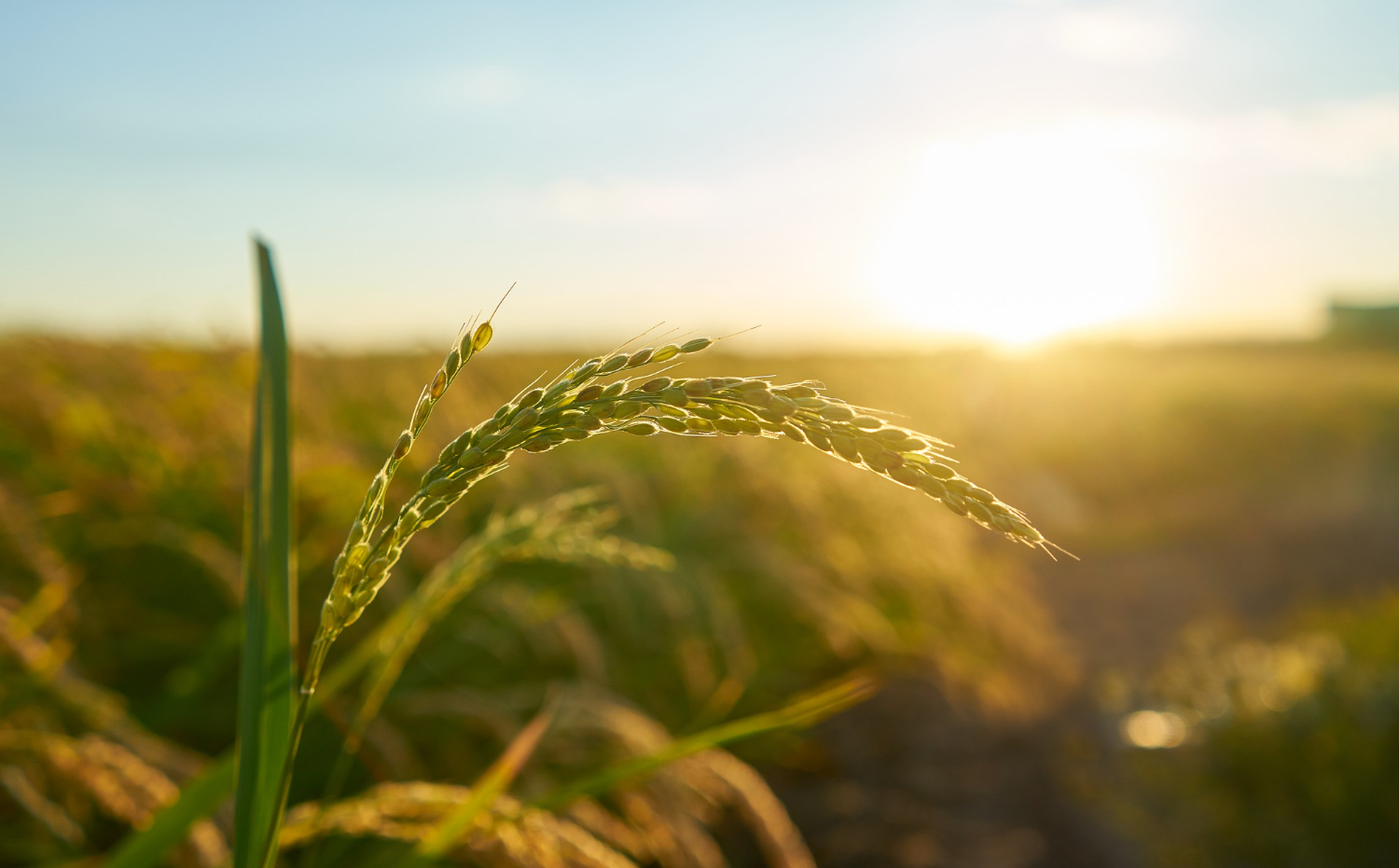
Across fields and villages, farmers are battling more than pests and weeds, they are confronting shrinking water sources, exhausted soils, rising costs and an increasingly unpredictable climate. Modern agriculture stands at a critical crossroads where continuing old practices threatens long-term productivity, while sustainable approaches offer a pathway to resilience and renewal.
Water Scarcity: The First Breaking Point
Water scarcity has become one of the most visible challenges in agriculture. Low and erratic rainfall, shrinking ponds and declining groundwater levels have made irrigation uncertain and expensive. Borewells are failing, wells are drying up and farmers are often forced to deepen wells without any guarantee of water. Sustainable farming addresses this by focusing on water-use efficiency, adopting drip and sprinkler irrigation, rainwater harvesting, farm ponds, mulching and soil organic matter enhancement. Healthy soils act like sponges, retaining moisture for longer periods and reducing irrigation frequency.
Poor Water Quality: A Silent Yield Killer
Even when water is available, its quality is often compromised. Chemical runoff, industrial discharge and salinity contaminate surface and groundwater sources. Saline or polluted water disrupts nutrient uptake, damages soil structure and reduces crop vigor. Sustainable practices emphasize minimizing chemical runoff, using biological soil conditioners and improving soil microbial life so that crops can tolerate moderate salinity and detoxify harmful residues naturally over time.
Soil Health Decline: The Foundation Is Crumbling
Declining soil organic carbon (SOC) and total organic carbon (TOC) are major indicators of soil degradation. Continuous chemical fertilizer use, poor residue management and excessive tillage harden the soil, reduce aeration and kill beneficial microorganisms. This results in compacted, lifeless soil that responds poorly even to high fertilizer doses. Sustainable farming rebuilds soil health through composts, bio-stimulants, green manuring, crop rotation, reduced tillage and microbial inputs. Restoring soil biology improves nutrient cycling, root growth and long-term productivity.
High Chemical Input Costs: An Unsustainable Cycle
Rising fertilizer and pesticide costs are squeezing farm profitability. Farmers often apply higher doses to compensate for declining soil fertility and increasing pest resistance, creating a vicious cycle of dependency. Sustainable farming focuses on input optimization rather than elimination using biological alternatives, integrated nutrient management and integrated pest management. This reduces costs while maintaining yields and improves soil and crop resilience over time.
Climate Change and Weather Instability: Farming in Uncertainty
Unpredictable rainfall, prolonged dry spells, sudden floods, heat waves and unseasonal weather events have become the new normal. Crops face continuous stress, affecting flowering, fruiting and final yield. Sustainable systems improve climate resilience by strengthening root systems, increasing soil organic matter, improving water infiltration and promoting diversified cropping. Healthy soils buffer temperature extremes and help crops recover faster from stress events.
Pest and Disease Pressure: A Growing Threat
Changing climate patterns and excessive chemical use have altered pest dynamics. New pests are emerging, traditional pests are becoming resistant, and diseases are spreading faster. This leads to higher crop losses and increased pesticide dependency. Sustainable farming emphasizes prevention over cure, strong plants grown in biologically active soils naturally resist pests and diseases better. Botanical extracts, beneficial microbes and ecological balance reduce outbreak intensity and frequency.
Groundwater Depletion: Borrowing from the Future
Over-extraction of groundwater has pushed agriculture into a dangerous zone. Borewell failures are no longer isolated incidents; they are becoming common across regions. Sustainable farming encourages groundwater recharge through contour bunding, percolation pits, farm ponds and reduced runoff. At the same time, improving soil structure reduces irrigation demand, slowing groundwater depletion.
Carbon Emissions and Low Carbon Fixation: Agriculture’s Climate Role
Agriculture is both a victim and a contributor to climate change. Poor soil management releases stored carbon into the atmosphere, while excessive fertilizer use increases greenhouse gas emissions. Degraded soils lose their natural ability to store carbon. Sustainable farming reverses this trend by increasing carbon sequestration through organic matter buildup, cover crops and biological activity. Carbon-rich soils not only mitigate climate change but also improve fertility and water retention.
The Sustainable Farming Path Forward
Sustainable farming does not mean abandoning productivity, it means redefining it. The goal is stable yields, lower input costs, healthier soils, efficient water use and long-term farm viability. By aligning natural processes with modern agronomy, farmers can break free from short-term fixes and build systems that regenerate resources rather than exhaust them. The future of agriculture depends on how quickly and effectively this transition is embraced.
#SustainableFarming #SoilHealth #WaterSmartAgriculture #ClimateResilientFarming #RegenerativeAgriculture #FarmersFuture #HealthySoilsHealthyCrops #NaturalFarming #AgriSustainability #SaveSoil