

Soil Science Basics Every Farmer Must Know
Understanding Soil the Right Way Can Transform Farming from Struggle to Success
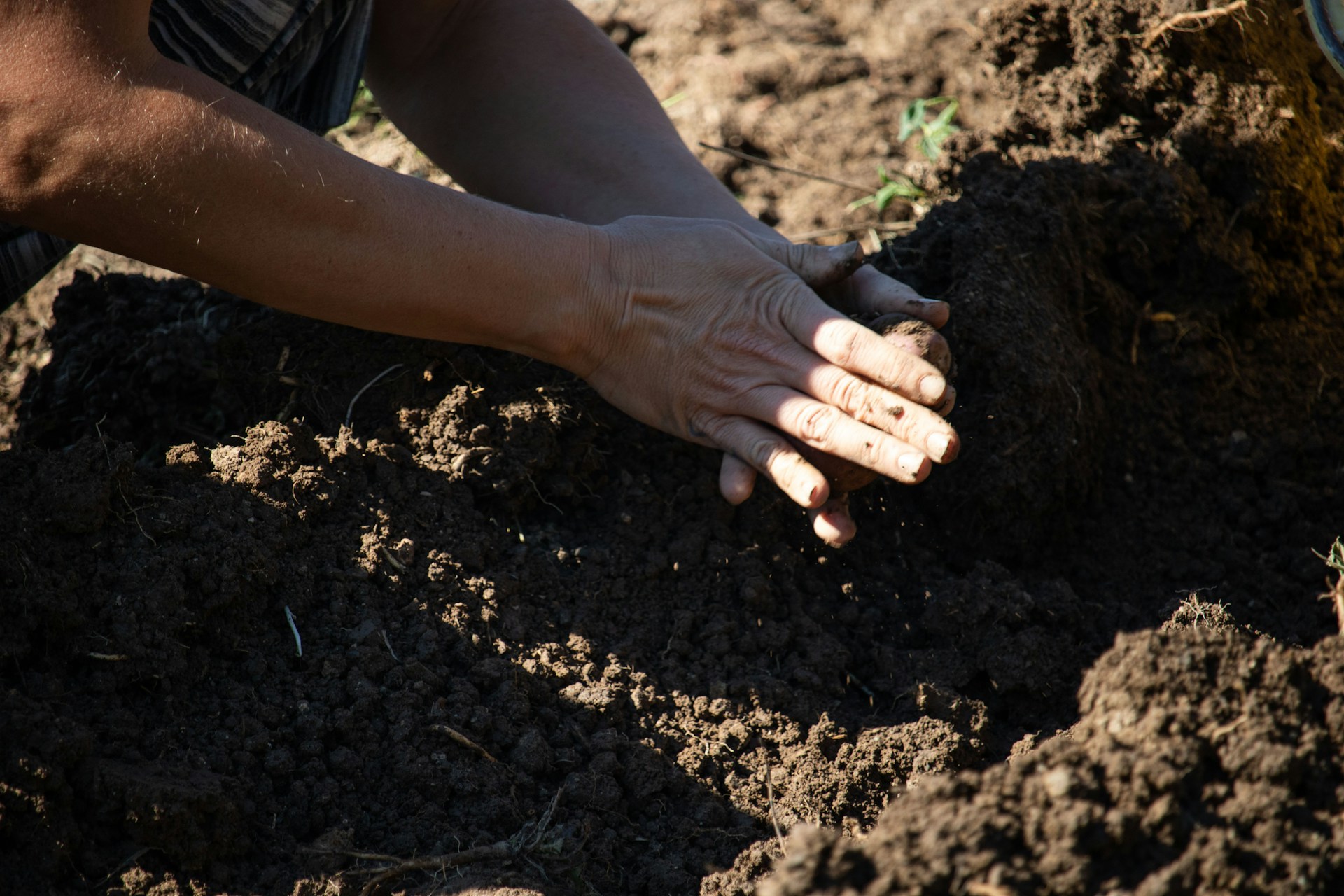
A healthy crop never begins with the seed, it begins with the soil. The strength of roots, the size of fruits, the resistance against pests, and even the taste of produce are deeply connected to what lies beneath the surface. Farmers often focus on fertilizers, irrigation, and pesticides, but the true foundation of productive farming is soil science. When farmers understand their soil, they stop guessing and start growing smarter.
What Is Soil Science?
Soil science is the study of soil, its formation, composition, structure, fertility, and how it supports plant life. It explains why one field produces excellent yields while another struggles despite receiving the same care. Soil science helps farmers understand nutrient availability, water retention, microbial activity, root growth, and crop performance.
In practical farming, soil science is not merely academic knowledge. It is a tool that helps reduce unnecessary expenses, improve productivity, and restore long-term soil health.
Why Soil Is the Real Wealth of Agriculture
Soil is much more than dirt. It is a living ecosystem filled with minerals, water, air, organic matter, microorganisms, and billions of beneficial biological activities happening every second.
Healthy soil performs several critical functions:
- Supplies nutrients to crops
- Stores and filters water
- Supports root development
- Houses beneficial microbes
- Improves plant immunity
- Reduces erosion
- Maintains ecological balance
When soil becomes weak, compacted, salty, acidic, or biologically inactive, crops begin to show symptoms such as yellowing, stunted growth, poor flowering, weak roots, and low yields.
The Main Components of Soil
Every productive soil contains four major components working together.
Mineral Particles
These include sand, silt, and clay formed from weathered rocks. They determine soil texture and influence drainage, aeration, and nutrient retention.
Organic Matter
Organic matter comes from decomposed plants, roots, leaves, animal residues, and microbial activity. It improves soil structure, nutrient availability, and water-holding capacity.
Water
Soil water dissolves nutrients and carries them to plant roots. Too little water stresses plants, while excess water can suffocate roots.
Air
Plant roots and soil microorganisms need oxygen. Well-aerated soil encourages strong root systems and active microbial life.
Understanding Soil Texture
Soil texture refers to the proportion of sand, silt, and clay present in the soil.
Sandy Soil
Sandy soils contain large particles and allow water to drain quickly. They warm up fast and are easy to cultivate, but they often lose nutrients rapidly. Crops grown in sandy soils usually require frequent irrigation and regular organic matter application.
Clay Soil
Clay soils contain very fine particles that hold water and nutrients strongly. While they are nutrient-rich, they can become sticky during rains and hard during dry weather. Poor drainage and root suffocation are common problems in heavy clay soils.
Silty Soil
Silty soils are smoother and more fertile than sandy soils. They hold moisture reasonably well but can become compacted if not managed properly.
Loamy Soil
Loam is considered the ideal agricultural soil because it balances sand, silt, and clay. It offers good drainage, nutrient retention, aeration, and root penetration. Most high-performing agricultural lands contain loamy characteristics.
What Is Soil Structure and Why Does It Matter?
Soil structure refers to how soil particles bind together into small aggregates or crumbs. Good soil structure creates spaces for water movement, root growth, and oxygen circulation.
Healthy structure results in:
- Better root penetration
- Improved drainage
- Increased microbial activity
- Reduced erosion
- Easier cultivation
Continuous chemical overuse, deep tillage, and low organic matter gradually destroy soil structure. Farmers can improve structure by adding compost, crop residues, bio-stimulants, cover crops, and biological inputs.
Soil Fertility: More Than Just Fertilizers
Soil fertility is the soil’s ability to provide essential nutrients to plants in balanced quantities. True fertility depends not only on the presence of nutrients but also on whether plants can absorb them efficiently.
A fertile soil supports:
- Strong root systems
- Uniform growth
- Better flowering and fruiting
- Resistance against diseases
- Higher yields and quality produce
Modern farming often focuses only on chemical fertilization, but fertility also depends heavily on organic matter, beneficial microbes, enzyme activity, and soil biology.
The Essential Nutrients Crops Need
Plants require many nutrients, but three major nutrients are most important:
Nitrogen (N)
Nitrogen promotes leafy growth, chlorophyll formation, and stem development. Deficiency often causes pale yellow leaves and slow growth.
Phosphorus (P)
Phosphorus supports root development, flowering, seed formation, and energy transfer within the plant. Deficiency can lead to poor rooting and delayed maturity.
Potassium (K)
Potassium improves plant strength, disease resistance, water regulation, and fruit quality. Potassium-deficient plants often show weak stems and scorched leaf edges.
These three nutrients form the famous NPK balance essential for crop productivity.
Understanding Soil pH
Soil pH measures whether soil is acidic, neutral, or alkaline.
Most crops grow best between pH 5.5 and 7.0. Outside this range, nutrient availability decreases even if nutrients are present in the soil.
Acidic Soil Problems
- Poor phosphorus availability
- Aluminum toxicity
- Weak microbial activity
Alkaline Soil Problems
- Zinc and iron deficiencies
- Salt accumulation
- Reduced nutrient absorption
Regular soil testing helps farmers monitor pH and take corrective action before yield losses occur.
The Power of Organic Matter
Organic matter acts as the life engine of soil. It improves almost every aspect of soil health.
Benefits include:
- Better water retention
- Improved nutrient availability
- Enhanced microbial activity
- Reduced soil compaction
- Increased carbon content
- Better root development
Fields rich in organic matter are generally more resilient during droughts, heavy rains, and environmental stress.
Farmers should regularly apply compost, decomposed farmyard manure, mulches, crop residues, fermented biological formulations, and microbial products to maintain soil vitality.
The Hidden Workforce: Soil Microorganisms
Healthy soil contains bacteria, fungi, actinomycetes, protozoa, algae, and earthworms working together in a natural nutrient cycle.
These organisms:
- Decompose organic matter
- Release nutrients naturally
- Improve root-zone biology
- Protect plants from pathogens
- Enhance nutrient uptake
Overuse of harsh chemicals can damage this biological balance. Sustainable farming practices help restore beneficial microbial populations.
Water Management and Soil Health
Soil and water management are inseparable. Poor irrigation practices can lead to waterlogging, salinity, nutrient leaching, and root diseases.
Good practices include:
- Avoiding over-irrigation
- Maintaining proper drainage
- Using mulching
- Improving organic matter levels
- Encouraging deep root growth
Healthy soil acts like a sponge, storing water efficiently while maintaining proper aeration.
Signs of Unhealthy Soil Farmers Should Never Ignore
Many soil problems reveal themselves through crop symptoms. Common warning signs include:
- Hard crust formation
- Poor seed germination
- Yellow leaves
- Weak roots
- Water stagnation
- Excessive cracking
- Low earthworm activity
- Reduced yields year after year
Ignoring these signs often results in declining farm productivity and rising cultivation costs.
Practical Soil Improvement Strategies for Farmers
Improving soil does not happen overnight, but consistent practices create long-term success.
Add Organic Inputs Regularly
Organic matter rebuilds soil structure and biology naturally.
Use Crop Rotation
Different crops use and replenish nutrients differently, reducing pest pressure and improving soil balance.
Avoid Excessive Chemical Dependency
Balanced nutrition and biological support are more sustainable than continuous chemical loading.
Encourage Beneficial Microbes
Microbial formulations and fermented bio-inputs strengthen soil life.
Prevent Soil Erosion
Mulching, cover crops, and contour farming help preserve valuable topsoil.
Test Soil Periodically
Soil testing helps identify nutrient deficiencies, salinity issues, and pH imbalances before they become severe.
The Future of Farming Depends on Soil Health
Modern agriculture is gradually returning to an important truth: healthy soil creates healthy crops, healthy farmers, and healthy communities. Soil is not an unlimited resource. Every farming decision either improves it or degrades it.
Farmers who understand soil science gain a major advantage. They reduce waste, improve nutrient efficiency, strengthen crop resilience, and build long-term sustainability. In the coming years, successful farming will depend less on chemical intensity and more on soil intelligence.
The field may look silent from above, but beneath every successful harvest lies an active world of biology, chemistry, minerals, water, and life working together. The better we understand soil, the better we understand farming itself.
#SoilScience #SoilHealth #SustainableFarming #OrganicFarming #HealthySoilHealthyPlants #AgricultureEducation #FarmersKnowledge #RegenerativeAgriculture #NaturalFarming #SoilFertility #CropNutrition #SmartFarming #AgriAwareness #EcoFriendlyFarming #PlantHealth