

The Tiny Invaders That Can Turn a Healthy Crop Sick
Learn to Recognize Bacterial Diseases Before They Spread
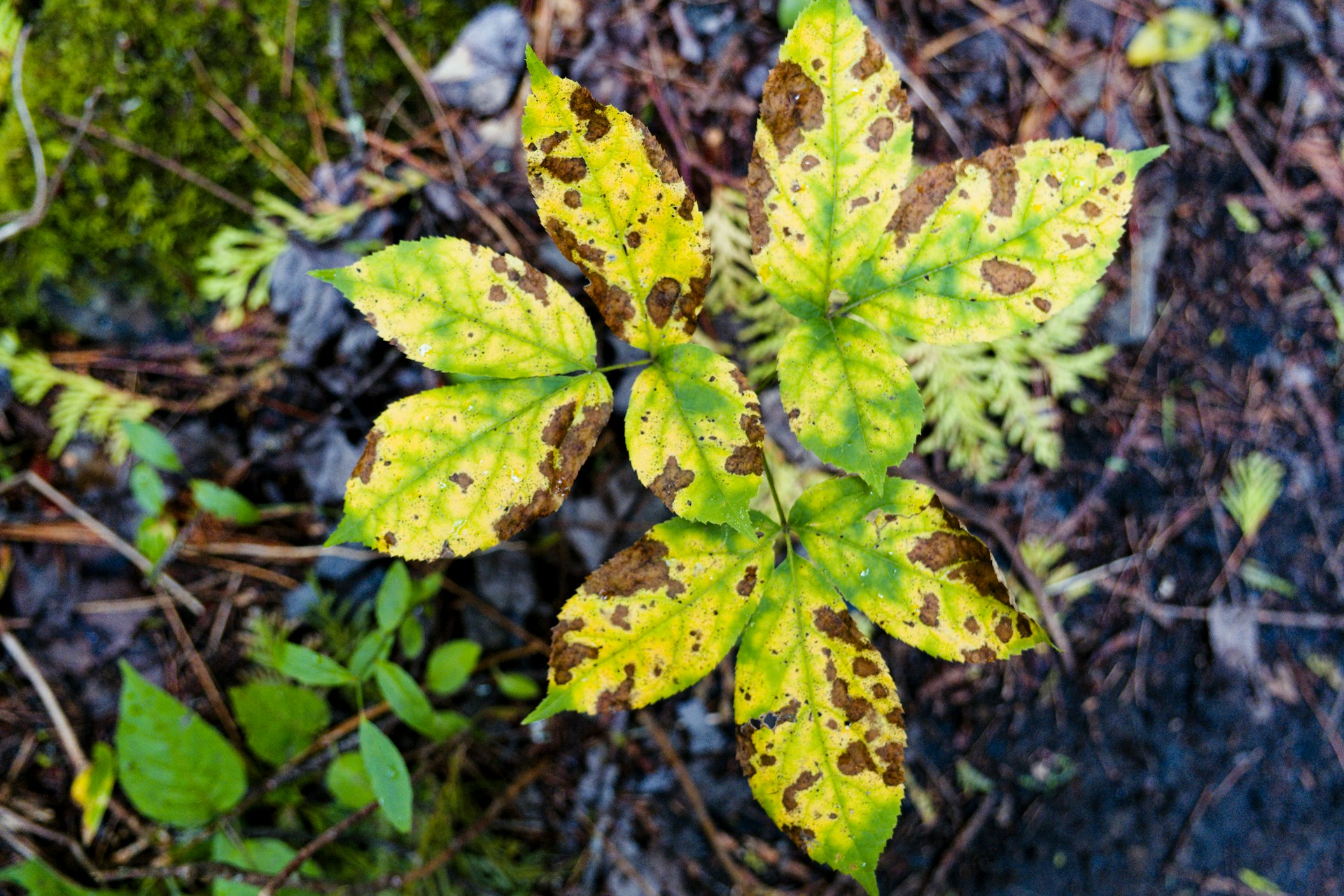
A bacterial disease can begin with something as small as a single water-soaked spot. Within favorable conditions, that tiny lesion can become a spreading infection, damaging leaves, stems, fruits and even the entire plant. The first step toward managing bacterial disease is learning to recognize how bacteria enter, multiply, spread and express themselves in a crop.
What Exactly Are Plant-Pathogenic Bacteria?
Bacteria are microscopic, single-celled organisms found almost everywhere—in soil, water, air, plant surfaces and organic matter.
Most bacteria are not harmful to plants. In fact, many bacteria are beneficial and participate in nutrient cycling, decomposition, root interactions and other processes important for healthy agricultural ecosystems.
The problem arises when certain bacteria are capable of infecting plants and causing disease. These are known as plant-pathogenic bacteria.
Depending on the particular bacterium and crop, infection may affect leaves, stems, roots, flowers, fruits, seeds or the plant's internal vascular tissues.
Bacterial diseases can produce symptoms such as:
-
Water-soaked lesions
-
Leaf spots
-
Yellow halos
-
Blight
-
Cankers
-
Soft rot
-
Fruit lesions
-
Wilt
-
Dieback
-
Bacterial ooze
-
Stunted or weakened growth
The challenge is that several of these symptoms can look similar to fungal disease, insect damage, nutrient disorders or environmental stress.
That is why identifying the likely cause is more important than simply identifying the symptom.
Why Bacterial Diseases Can Spread So Quickly
Bacterial pathogens can multiply rapidly when environmental conditions are favorable.
A crop becomes particularly vulnerable when three factors come together:
A susceptible plant + a bacterial pathogen + favorable environmental conditions
If bacteria are present but the crop is resistant or environmental conditions are unfavorable, disease may remain limited.
But when a susceptible crop experiences suitable temperature, moisture, wounds or prolonged leaf wetness, the disease can develop rapidly.
This is why bacterial disease outbreaks are often associated with rainfall, high humidity, wet foliage, irrigation water, plant injury and dense crop canopies.
The First Warning Sign: Water-Soaked Lesions
One of the classic clues associated with many bacterial diseases is the appearance of water-soaked lesions.
At the beginning, affected tissue may appear darker, translucent or wet compared with surrounding healthy tissue.
The lesions may later become:
-
Brown
-
Black
-
Tan
-
Yellow
-
Reddish
-
Necrotic or dead
As the infection progresses, individual lesions may merge together and create larger areas of dead tissue.
However, water-soaked appearance is not an absolute diagnostic test. Some fungal and water-mold diseases can produce similar early symptoms.
The complete symptom pattern must therefore be considered.
What Is a Yellow Halo?
A yellow or pale-green zone surrounding a brown or dead lesion is another symptom commonly associated with bacterial disease.
This is often called a yellow halo.
The halo can be particularly noticeable around bacterial leaf spots and blights.
But even here, caution is necessary.
A yellow halo does not automatically prove that the disease is bacterial.
The crop, disease progression, environmental conditions and other symptoms must also be considered.
Bacterial Leaf Spots
Bacterial leaf spots commonly begin as small lesions.
As they develop, they may become brown, black or tan, sometimes with a yellow margin.
In many crops, bacterial leaf spots can appear somewhat angular because their development may be restricted by leaf veins.
As disease pressure increases, individual spots can merge.
The result may be extensive dead tissue, premature leaf loss and reduced photosynthetic activity.
A crop with extensive leaf damage may have less capacity to produce and fill fruits, pods, tubers, grains or other harvestable structures.
Bacterial Blight
Blight is a term used when disease causes extensive and often rapid death of plant tissue.
A bacterial leaf spot that begins as a few small lesions can develop into a much larger area of dead foliage when conditions remain favorable.
Leaves may eventually appear scorched, dry or severely damaged.
Bacterial blight can affect different plant parts depending on the pathogen and host crop.
In some crops, it primarily affects foliage. In others, it may also affect stems, flowers, fruits or seedlings.
Bacterial Cankers
A canker is a localized diseased area on stems, branches or other woody or semi-woody tissues.
It may appear as a:
-
Sunken area
-
Discolored patch
-
Cracked lesion
-
Dead section of stem
-
Rough or damaged area around a wound
Cankers are particularly important because the disease is no longer confined to a leaf surface.
When the infection affects stems and branches, it can weaken plant structure and interfere with normal movement of water and nutrients.
Under wet conditions, some bacterial diseases can produce visible bacterial material or ooze from infected tissue.
The Tell-Tale Sign: Bacterial Ooze
One of the more useful signs of certain bacterial diseases is ooze.
Under moist or humid conditions, masses of bacteria mixed with plant fluids may emerge from infected tissue.
The material may appear:
-
Cream-colored
-
White
-
Yellowish
-
Milky
-
Slimy
After drying, it may sometimes leave a crust or residue on the plant surface.
This can be an important clue during diagnosis.
However, bacterial ooze is not present in every bacterial disease, and its absence does not rule out bacterial infection.
Soft Rot: When Plant Tissue Turns Watery and Decays
Some bacteria produce enzymes that break down plant tissues.
The result can be soft, wet and rapidly decomposing tissue.
Soft rot may occur in:
-
Fruits
-
Vegetables
-
Tubers
-
Bulbs
-
Stems
-
Crowns
-
Other fleshy plant tissues
Affected areas may become water-soaked, soft, collapsed and foul-smelling.
Once significant tissue has decomposed, recovery of that tissue is impossible.
Management therefore focuses heavily on preventing spread and protecting healthy plant material.
Bacterial Wilt: When the Plant Wilts Despite Having Water
Wilt can be one of the most confusing symptoms in crop production.
A farmer sees a wilted plant and naturally thinks:
"The plant needs water."
But sometimes the soil already contains sufficient moisture.
Certain bacterial pathogens can interfere with the plant's vascular system—the internal tissues responsible for transporting water.
As water movement becomes disrupted, the plant may wilt even though adequate moisture is present around its roots.
This is why simply increasing irrigation can be the wrong response.
If wilt is caused by a bacterial pathogen, excess water may increase environmental conditions favorable to disease and create additional problems.
How Bacteria Enter a Plant
Healthy plant surfaces provide important barriers against infection.
Bacteria can gain entry through naturally occurring openings such as stomata, as well as through wounds and damaged tissues.
Potential entry points can include:
-
Insect feeding injuries
-
Pruning wounds
-
Mechanical damage
-
Cracks
-
Storm damage
-
Damaged roots
-
Injured seedlings
-
Abrasion during field operations
This is one reason why handling wet crops can increase disease risk in certain situations.
When foliage is wet, bacteria can be transferred more easily between plant surfaces, tools, workers and equipment.
Rain Can Become a Disease-Dispersal System
Rain is essential for agriculture, but it can also assist the movement of bacterial pathogens.
When rain strikes an infected leaf, stem or fruit, bacteria present on the diseased surface can be splashed onto nearby plant tissues.
Repeated rainfall can therefore help move bacteria from one infection site to another.
Overhead irrigation can create a similar problem when it repeatedly wets foliage and splashes contaminated water or plant debris across the crop.
This is why disease management is not simply about eliminating bacteria after they appear.
It is also about reducing opportunities for bacteria to move from plant to plant.
Why Working in a Wet Crop Can Increase Risk
Imagine a field containing a few infected plants.
A worker moves through the crop while the foliage is wet.
Hands, clothing, tools and equipment can contact infected tissue and then touch healthy plants.
The same principle can apply to pruning, harvesting and other crop operations.
For bacterial disease management, therefore, farm hygiene is not a minor detail—it is part of disease control.
Where practical, avoid unnecessary crop handling when foliage is wet, especially in fields with known bacterial disease problems.
Seeds Can Also Carry Bacterial Pathogens
Some bacterial pathogens can be carried in or on seed.
This creates a particularly important problem because infected seed can introduce disease into an otherwise clean field.
The disease may then become established during early crop development and provide a source of infection for subsequent spread.
This is why the quality and health status of planting material matter greatly.
Starting with healthy seed and planting material is one of the most practical ways to reduce the risk of introducing certain bacterial diseases.
Planting Material Can Move Disease Between Fields
The same principle applies to:
-
Seedlings
-
Cuttings
-
Grafts
-
Tubers
-
Bulbs
-
Other vegetative planting material
A seemingly healthy plant may sometimes carry a pathogen without obvious symptoms.
When such material is introduced into a new production area, the pathogen may establish itself under favorable conditions.
Disease prevention therefore begins before the crop reaches the field.
How Bacterial Disease Moves Through a Crop
A bacterial disease can follow a repeating cycle:
Survival → multiplication → entry into the plant → disease development → bacterial release → spread → new infection.
Every new infection can potentially become another source of bacteria.
When environmental conditions remain favorable, the cycle can repeat again and again.
The objective of good disease management is therefore to interrupt this cycle.
You do not necessarily need to eliminate every bacterium.
You need to prevent harmful bacterial populations from reaching levels that cause economically significant disease.
Weather Is a Major Part of the Diagnosis
When you see suspected bacterial disease, look backward at the weather.
Ask:
Has there been recent rainfall?
Has humidity remained high?
Have leaves stayed wet for long periods?
Has overhead irrigation been frequent?
Has strong wind or rain caused plant injury?
Is the crop canopy excessively dense?
Are there areas of standing water or poor drainage?
The answers can provide valuable clues about why the disease has appeared and why it is spreading.
Dense Crop Canopies Can Create Trouble
A dense canopy can reduce air movement.
When airflow decreases, leaves may remain wet for longer periods after rain, dew or irrigation.
This creates a more favorable microenvironment for certain bacterial diseases.
Excessive vegetative growth can therefore indirectly contribute to disease pressure.
Appropriate plant spacing, canopy management and ventilation—particularly in protected cultivation—can help reduce prolonged moisture on plant surfaces.
Bacterial Disease in Greenhouses and Shade-Net Conditions
Protected cultivation can create special disease-management challenges.
A greenhouse or shade-net structure may protect crops from certain environmental stresses, but it can also trap humidity when ventilation is inadequate.
High plant density combined with poor airflow and prolonged leaf wetness can create favorable conditions for bacterial disease.
Regular monitoring of:
-
Humidity
-
Ventilation
-
Irrigation
-
Plant density
-
Leaf wetness
-
Sanitation
can therefore be extremely important.
Why Diagnosis Is More Difficult Than It Looks
Bacterial diseases can closely resemble fungal diseases.
A brown leaf spot could be bacterial.
It could also be fungal.
It could be caused by another pathogen.
It could even be the result of chemical injury, nutrient imbalance, environmental stress or insect feeding.
Similarly, wilt can have many possible causes.
This is why symptom-based assumptions can lead to incorrect treatment.
When the diagnosis is uncertain, laboratory testing or consultation with a qualified plant pathologist or agricultural expert can be extremely valuable.
A Simple Field Diagnosis Approach
When you encounter suspicious symptoms, start with the entire plant rather than one leaf.
Look at the pattern
Are only a few plants affected?
Are affected plants grouped together?
Are symptoms following irrigation lines?
Are they concentrated in low-lying or poorly drained areas?
Are they spreading from one section of the field?
The distribution can provide useful clues.
Look at the plant part
Inspect:
-
Leaves
-
Leaf undersides
-
Petioles
-
Stems
-
Roots
-
Fruits
-
Flowers
-
Growing points
Look at the lesion
Examine its:
-
Shape
-
Color
-
Margin
-
Texture
-
Progression
-
Presence or absence of water-soaking
-
Presence or absence of ooze
Look at the environment
Record recent:
-
Rain
-
Irrigation
-
Humidity
-
Temperature
-
Wind
-
Crop handling
-
Pruning
-
Insect activity
The more pieces of information you collect, the more reliable your diagnosis becomes.
Prevention Is Usually Easier Than Rescue
Once bacterial disease has extensively damaged plant tissue, there is no treatment that can simply return dead tissue to its original healthy condition.
This makes prevention extremely important.
A good bacterial disease-management program begins with:
Healthy planting material + field sanitation + suitable varieties + good water management + careful crop handling + regular scouting.
Treatment then becomes one component of a larger strategy rather than the entire strategy.
Start With Healthy Seed and Planting Material
Where disease-free or certified planting material is available, it should be preferred.
Do not knowingly introduce visibly diseased seedlings or propagating material into a healthy production area.
If a particular bacterial disease repeatedly occurs in a field, investigate whether seed or planting material could be contributing to the problem.
A healthy crop starts with a healthy beginning.
Keep the Field Clean
Crop residues can sometimes harbor pathogens after harvest.
Weeds and volunteer plants may also act as alternative hosts for certain pathogens.
Good sanitation practices can reduce potential sources of infection.
Remove or manage infected plant material appropriately rather than allowing heavily diseased tissues to remain as uncontrolled sources of inoculum.
Farm tools and machinery should also be cleaned appropriately, particularly when moving between diseased and healthy areas.
Manage Irrigation Carefully
Avoid creating unnecessary prolonged wetness.
Where agronomically suitable, irrigation methods that minimize prolonged foliage wetting can help reduce the conditions favorable to certain bacterial diseases.
Irrigation should also be managed according to the crop, soil and weather.
Overwatering is not a disease-control strategy.
If the plant is wilting because of a vascular bacterial disease, adding more water may not solve the actual problem.
Avoid Unnecessary Handling of Wet Plants
If bacterial disease is suspected, unnecessary movement through wet foliage should be minimized.
Harvesting, pruning and other operations should be planned with disease risk in mind.
Tools should be kept clean and should not become mechanical vehicles for transferring contaminated plant material from one plant to another.
Small changes in farm hygiene can have a large impact when disease is capable of spreading mechanically.
Crop Rotation Can Help
Crop rotation is particularly useful when a bacterial pathogen survives in crop residues or soil and repeatedly affects the same crop.
Changing the crop sequence can reduce the opportunity for a pathogen that depends heavily on a particular host to maintain a continuous disease cycle.
Rotation is not a universal solution because some bacterial pathogens have broad host ranges.
The rotation should therefore be selected according to the crop, pathogen and local production system.
Choose Resistant or Tolerant Varieties Where Available
Variety selection can play a major role in disease management.
Where varieties with resistance or tolerance to a known bacterial disease are available and agronomically suitable, they can reduce disease pressure and provide an important layer of protection.
This is particularly valuable in fields with a history of recurring disease.
Balanced Nutrition Matters
A crop under nutritional stress may not respond to disease pressure in the same way as a well-managed crop.
Balanced nutrition supports normal growth and plant development.
However, excessive fertilizer application is not a substitute for disease management.
In some crops, excessive nitrogen can produce lush, dense growth that increases canopy humidity and may create conditions favorable to certain diseases.
The objective should therefore be balanced nutrition, not maximum nutrition.
What About Copper-Based Products?
Copper-based crop-protection products are used against certain bacterial diseases in some crops and production systems.
Their effectiveness depends heavily on the particular pathogen, crop, timing, formulation, coverage and disease pressure.
They should therefore be used only according to the applicable product label and local agricultural recommendations.
Repeated or excessive use can also create its own problems, including phytotoxicity under unsuitable conditions and accumulation of copper in soil.
More product does not automatically mean better disease control.
What About Antibiotics?
Antibiotics have been used in some agricultural systems for specific bacterial diseases, but their use requires particular caution.
Repeated, unnecessary or inappropriate antibiotic use can contribute to antimicrobial resistance.
For this reason, antibiotics should not be treated as routine "strong medicines" for every bacterial disease.
Where their agricultural use is legally permitted and specifically recommended, they should be used strictly according to current regulatory requirements and expert guidance.
For many situations, prevention, sanitation, resistant varieties, water management and integrated disease management are more important foundations.
Can Biological Approaches Help?
Biological disease management can be incorporated into an integrated crop-protection strategy.
Certain beneficial microorganisms can interact with plant pathogens through mechanisms such as:
-
Competition for space and nutrients
-
Antagonistic interactions
-
Production of antimicrobial compounds
-
Colonization of plant surfaces or roots
-
Stimulation of plant defense responses
However, biological products should not be viewed as universal cures.
Their performance can vary according to crop, pathogen, environmental conditions, product quality and application method.
The strongest approach is generally to combine biological tools with good agronomic practices and disease prevention.
Why Repeated Spraying Without Diagnosis Can Fail
Suppose a farmer sees brown spots and assumes they are bacterial.
A bactericide is applied.
But the actual problem is fungal.
The treatment may fail.
The farmer may then increase the frequency or dose.
The disease continues.
This wastes money while the actual disease progresses.
The lesson is simple:
Do not confuse treatment intensity with treatment accuracy.
The correct diagnosis is often more valuable than simply applying more products.
Bacterial Disease Management Is About Breaking the Chain
Think of bacterial disease as a chain:
Source → Survival → Multiplication → Entry → Infection → Spread → New Infection
A farmer can interfere with this chain at several points.
Healthy planting material can reduce the source.
Sanitation can reduce survival.
Water and canopy management can reduce multiplication and spread.
Careful handling can reduce entry through wounds.
Resistant varieties can reduce successful infection.
Early detection can reduce the opportunity for secondary spread.
This is the real principle behind integrated bacterial disease management.
A Practical Farmer's Routine
Walk through the field regularly.
Look for the earliest suspicious symptoms rather than waiting for severe damage.
Inspect both sides of leaves.
Check stems, fruits and growing points.
Look for water-soaked lesions.
Look for yellow halos.
Check for unusual ooze.
Observe whether lesions are expanding.
Check whether plants are wilting despite adequate soil moisture.
Look at the field pattern.
Review recent rainfall and irrigation.
Check whether workers or equipment may be moving between diseased and healthy areas.
Then decide whether expert diagnosis is required before treatment.
The 7 Questions to Ask Before Treating a Suspected Bacterial Disease
Before applying a treatment, ask:
1. Are the symptoms consistent with a bacterial disease?
2. Could a fungus, virus, insect, nutrient problem or environmental stress produce similar symptoms?
3. Did the problem appear after rain, high humidity or prolonged leaf wetness?
4. Are water-soaked lesions, yellow halos, cankers, soft rot or bacterial ooze present?
5. Could infected seed, seedlings, crop residue, irrigation water, tools or workers be contributing to spread?
6. Can I reduce disease pressure by changing irrigation, sanitation, ventilation or crop handling?
7. Do I need confirmation from an agricultural expert or diagnostic laboratory before treating?
These questions can prevent unnecessary treatment and help protect the crop more intelligently.
Don't Forget the Roots
Farmers often concentrate on leaves because leaf symptoms are easy to see.
But bacterial diseases can also affect roots, crowns and vascular tissues.
If plants are repeatedly wilting, stunted or dying in patches, investigate the root zone rather than assuming the problem is simply a lack of water or fertilizer.
Dig up affected and healthy plants for comparison where practical.
Look for differences in:
-
Root color
-
Root firmness
-
Root development
-
Root decay
-
Crown discoloration
-
Stem tissue near the soil line
The root zone can tell a very different story from the leaves.
Bacteria Are Not Always the Enemy
This point is just as important as understanding bacterial disease.
Agricultural soils and plant surfaces contain enormous populations of beneficial bacteria.
Many participate in nutrient cycling, organic matter decomposition and interactions around plant roots.
Some beneficial bacteria are also used in biological agriculture and microbial crop-input products.
Therefore, the objective of crop protection should not be:
"Destroy all bacteria."
The objective should be:
Identify harmful plant-pathogenic bacteria and manage them while preserving beneficial biological activity wherever possible.
The Most Important Lesson: Diagnose Before You Treat
Bacterial diseases can be destructive, but they become even more difficult to manage when the wrong problem is treated.
A brown spot is a symptom.
A yellow leaf is a symptom.
Wilt is a symptom.
Ooze is a clue.
The actual diagnosis requires putting all the clues together.
That means looking at the crop, symptom pattern, weather, irrigation, field history, plant stage and disease progression.
When uncertainty remains, professional diagnosis is better than guesswork.
Don't Just See the Spot : Understand the Bacteria
Bacterial diseases can move quietly through a crop before their impact becomes obvious.
They can enter through natural openings and wounds.
They can move through water, tools, workers, equipment and infected planting material.
They can produce water-soaked lesions, yellow halos, blights, cankers, soft rots, wilting and bacterial ooze.
And they can become much more difficult to manage once disease has spread extensively.
But farmers have many opportunities to interrupt the disease cycle.
Start with healthy planting material.
Scout early.
Keep the crop and tools clean.
Manage irrigation carefully.
Reduce unnecessary leaf wetness.
Maintain airflow.
Use resistant or tolerant varieties when appropriate.
Protect the root zone.
Avoid unnecessary chemical or antibiotic applications.
And above all, diagnose before you treat.
Know the bacteria. Understand the symptoms. Break the disease cycle. Protect the crop.
#KnowYourBacteria #BacterialDisease #PlantDisease #CropProtection #BacterialBlight #BacterialLeafSpot #PlantPathology #CropHealth #DiseaseManagement #SmartFarming #FarmersEducation #HealthyCrops #IntegratedDiseaseManagement #SustainableAgriculture #AgriKnowledge #BetterHarvest